
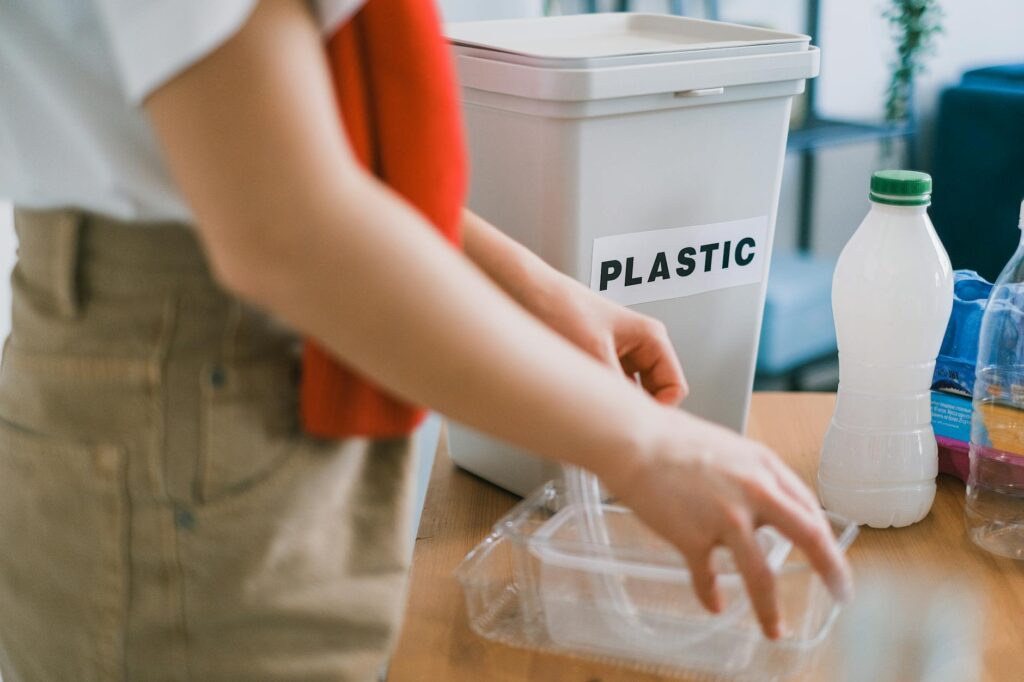
The Growing Pile: A 2026 Household Waste Reality Check
It’s a common sight, isn’t it? That overflowing bin on collection day, the plastic wrappers accumulating faster than you can use them, the general feeling that despite your best efforts, your household is contributing a significant amount to the global waste problem. If you’re worried about the amount of household waste you generate and are seeking some simple ways to solve this menace, you’re certainly not alone. As of April 2026, the urgency to address our waste habits has never been more apparent. From shrinking landfill space to the environmental impact of production and disposal, the sheer volume of trash we produce is a pressing concern for individuals and communities alike.
Last updated: April 29, 2026
- Implementing a three-bin system (trash, recycling, compost) is a foundational step for effective household waste management.
- Reducing consumption, particularly of single-use items, is the most impactful strategy to combat household waste generation.
- Creative upcycling and repurposing can divert materials from landfills and give them a new life.
- Mindful purchasing decisions, like choosing products with minimal packaging, significantly cut down on incoming waste.
This isn’t about guilt-tripping; it’s about empowerment. Little Green Junk is dedicated to helping you Handle these challenges with practical, actionable advice. Let’s dive into concrete strategies that can make a real difference in your home and contribute to a healthier planet.
Understanding Your Waste Footprint
Before you can effectively reduce household waste, it’s crucial to understand what you’re throwing away. Take a week to conduct a simple waste audit. Keep a notebook near your bins and jot down the types of items you’re discarding most frequently. Are you surprised by the quantity of food scraps? Is single-use plastic packaging dominating your trash? This self-assessment is the first, most critical step. According to the U.S. Environmental Protection Agency (2023 data, check official EPA sources for the latest figures), food waste and plastics consistently rank among the top contributors to municipal solid waste in many developed nations. Identifying your personal hotspots allows you to target your reduction efforts where they’ll have the most impact.
The Power of the Three-Bin System
A well-organized waste disposal system is fundamental to managing household waste effectively. Many municipalities offer a three-bin system: one for general trash, one for recyclables, and increasingly, one for organic waste (compost). If your area provides these, use them diligently! Ensure you understand your local recycling guidelines thoroughly. What can and can’t be recycled varies significantly by region, and “wish-cycling” (throwing questionable items in the recycling bin hoping they’ll be sorted out) can contaminate entire batches, rendering them unusable. For food scraps and yard waste, composting is a major shift. Even if your municipality doesn’t offer curbside composting, a backyard compost bin or a worm farm (vermicomposting) can process a significant portion of your organic waste, turning it into nutrient-rich soil for your garden.
Reduce, Reuse, Repair, Recycle—in That Order
The well-known mantra “Reduce, Reuse, Recycle” is powerful, but its order is crucial. The most effective way to solve the menace of household waste generation is to reduce the amount of waste you create in the first place. This means critically evaluating your purchasing habits. Do you truly need that item? Can you borrow it, or buy it secondhand? Prioritizing reusable items over single-use alternatives is key. Think cloth shopping bags, reusable water bottles and coffee cups, and food containers instead of plastic wrap. Repairing items when they break, rather than immediately replacing them, also significantly cuts down on waste. When these steps aren’t feasible, then recycling becomes the next best option. For many, the journey to reducing household waste is an ongoing learning process, and embracing these principles in sequence provides a clear hierarchy for action.
 ▶
▶
TURN YOUR HAIRBRUSH TO THE SIDE, IT WORKS BETTER THAT WAY #HAIRCARE #HAIR #SHORTS
Confronting Single-Use Plastics
Single-use plastics are a major culprit in household waste. From grocery bags and produce bags to straws, disposable cutlery, and excessive product packaging, these items are designed for a fleeting moment of convenience but persist in the environment for centuries. As of April 2026, many regions are implementing or considering bans on certain single-use plastic items, reflecting their detrimental impact. To combat this, make a conscious effort to refuse these items whenever possible. Carry your own reusable bags, request no straw at restaurants, and choose products with minimal or plastic-free packaging. Buying in bulk can also reduce packaging waste, provided you have appropriate containers to store your goods. Small, consistent changes in habits around single-use plastics can lead to a dramatic reduction in your household waste.
Creative Upcycling and Repurposing
When items have reached the end of their original life, don’t automatically send them to the landfill. Upcycling and repurposing offer creative avenues to divert waste and give materials new value. Glass jars can become storage containers, old t-shirts can be cut into cleaning rags or fashioned into tote bags, and wooden pallets can be transformed into furniture or garden planters. Online platforms and communities are brimming with inspiration for upcycling projects. This not only reduces waste but can also save you money and foster a sense of creativity. For instance, a broken ceramic mug could become a unique planter for a small succulent, or old tires could be repurposed into outdoor seating. These actions directly address the “menace” of disposable culture by extending the lifespan of materials.
Mindful Consumption: Buying Less, Buying Better
At its core, tackling household waste generation is about shifting from a linear “take-make-dispose” model to a more circular approach. Mindful consumption is central to this shift. This means making deliberate choices about what you bring into your home. Before purchasing anything new, ask yourself: Is this necessary? Will I use it regularly? Is it durable and repairable? Can I find it secondhand? Opting for quality over quantity, and choosing products from companies with strong sustainability commitments, can make a significant difference. For example, many consumers are now looking at the packaging of online orders, preferring retailers who use recycled or compostable materials. According to a 2025 consumer survey by Pew Research Center (check official Pew Research sources for the latest figures), a growing percentage of consumers are willing to pay more for products with sustainable packaging. This conscious decision-making process helps curb the flow of waste before it even enters your home.
The Role of Little Green Junk
While individual efforts are paramount, sometimes you encounter waste that can’t be easily managed through reduction, reuse, or standard recycling. This is where services like Little Green Junk become invaluable. Whether you’re clearing out an old garage, decluttering your home, or undertaking a renovation, responsible junk removal ensures that unwanted items are handled ethically and sustainably. We prioritize diverting materials from landfills through recycling and donation whenever possible, aligning with the principles of waste reduction and circular economy. Understanding the proper disposal channels for larger or specialized waste items is part of a comprehensive household waste management strategy. We can help you deal with items that may not fit in your regular curbside bins, ensuring they are disposed of responsibly.
Frequently Asked Questions
What is the fastest way to reduce household waste?
The fastest way to reduce household waste is by drastically cutting down on the purchase of new items, especially those that are single-use or come with excessive packaging. Prioritizing reusable alternatives for everyday items like bags, bottles, and coffee cups offers immediate and significant waste reduction.
How can I compost if I don’t have a garden?
If you lack outdoor space, you can still compost using indoor methods like vermicomposting (worm bins) or electric composters. Many urban areas also have community composting drop-off points or municipal collection services for food scraps.
Is it really worth recycling?
Yes, recycling is absolutely worth it as part of a broader waste management strategy. While reducing and reusing are more impactful, recycling conserves natural resources, saves energy, and reduces pollution compared to producing goods from raw materials. According to the EPA (as of April 2026, check official EPA sources for current figures), recycling and composting prevented 94 million tons of material from being disposed of in 2020 alone, showcasing its substantial environmental benefit.
What are the most common household waste items?
The most common household waste items typically include food scraps, paper and cardboard, plastics (especially single-use packaging like bottles, films, and containers), glass, and metals. The exact composition varies by household consumption patterns and location.
How do I encourage my family to reduce waste?
Encourage family participation through education, setting shared goals, and making it a positive, collaborative effort. Explain the ‘why’ behind waste reduction, involve everyone in planning meals to reduce food waste, designate roles for sorting recyclables, and celebrate successes together. Leading by example is also highly effective.
Taking the Next Step Towards a Less Wasteful Home
Worried about the amount of household waste you generate? Some simple ways to solve this menace are within your reach. It’s not about achieving perfection overnight, but about making consistent, conscious choices. Start with one or two strategies that resonate most with your lifestyle. Perhaps it’s committing to bringing reusable bags on every shopping trip or starting a small compost bin for your kitchen scraps. As you build momentum, incorporate more habits. Remember, every small step taken by individuals contributes to a larger collective impact. Little Green Junk is here to support your journey towards a more sustainable household, offering responsible solutions for when you need to clear out unwanted items and make space for a greener future.
Related read: Yard Waste Management in 2026: Beyond the Bin