
As of April 2026, the pervasive issue of waste continues to pose a critical threat to avian populations worldwide. Birds, from the smallest sparrows to majestic raptors, are increasingly falling victim to discarded materials that contaminate their environments. This first installment, focusing on the impact on birds and the role of junk removal companies in places like York, Pennsylvania, highlights the urgent need for responsible disposal practices.
Last updated: April 27, 2026
- Discarded waste, especially plastics, is a major cause of injury and mortality for birds, leading to ingestion, entanglement, and habitat degradation.
- Birds mistake plastic items for food, causing internal injuries, malnutrition, and starvation.
- Entanglement in fishing lines, plastic bags, and other debris can lead to drowning, suffocation, or severe physical trauma.
- Professional junk removal services in York, PA, play a vital role in preventing waste from entering natural habitats and harming wildlife.
- Proper disposal and recycling of waste are essential steps individuals and businesses can take to protect bird populations.
The connection between unchecked waste and wildlife is stark, and birds are among the most visibly affected. From urban parks to remote natural reserves, the presence of litter is a constant, detrimental force. This article delves into the specific ways waste impacts birds and explores how professional services like Little Green Junk in York, PA, offer practical solutions.
what’s the primary threat of waste to birds?
The primary threat of waste to birds is complex, encompassing ingestion, entanglement, and habitat destruction. Birds often mistake small, colorful pieces of plastic, Styrofoam, or other debris for food. You can lead to blockages in their digestive systems, internal injuries, and a false sense of fullness that results in malnutrition and starvation. According to the National Audubon Society (as of 2026), millions of birds die each year due to ingesting plastic.
How does plastic waste harm birds?
Plastic waste presents a especially insidious danger to avian life. Its durability means it persists in the environment for hundreds of years, breaking down into smaller microplastics that can be ingested by a lots of species. Larger plastic items, such as bottle caps, straws, and plastic bags, pose a significant risk of entanglement. Birds can become trapped in discarded fishing nets, six-pack rings, and plastic packaging, leading to injuries, exhaustion, drowning, or suffocation. Studies by organizations like the World Wildlife Fund (2026) indicate that plastic pollution is a growing concern for seabirds and migratory species.
Consider a common scenario: a discarded plastic bag snagged on a branch. A small bird, perhaps a wren or a robin, might try to use it as nesting material or investigate it out of curiosity. If the bird becomes entangled, its ability to fly, forage, and escape predators is severely compromised. Ingestion is equally devastating. A bird feeding on insects near a landfill might consume small plastic fragments mixed with its food, leading to internal damage that can prove fatal.
What specific items cause the most harm to birds?
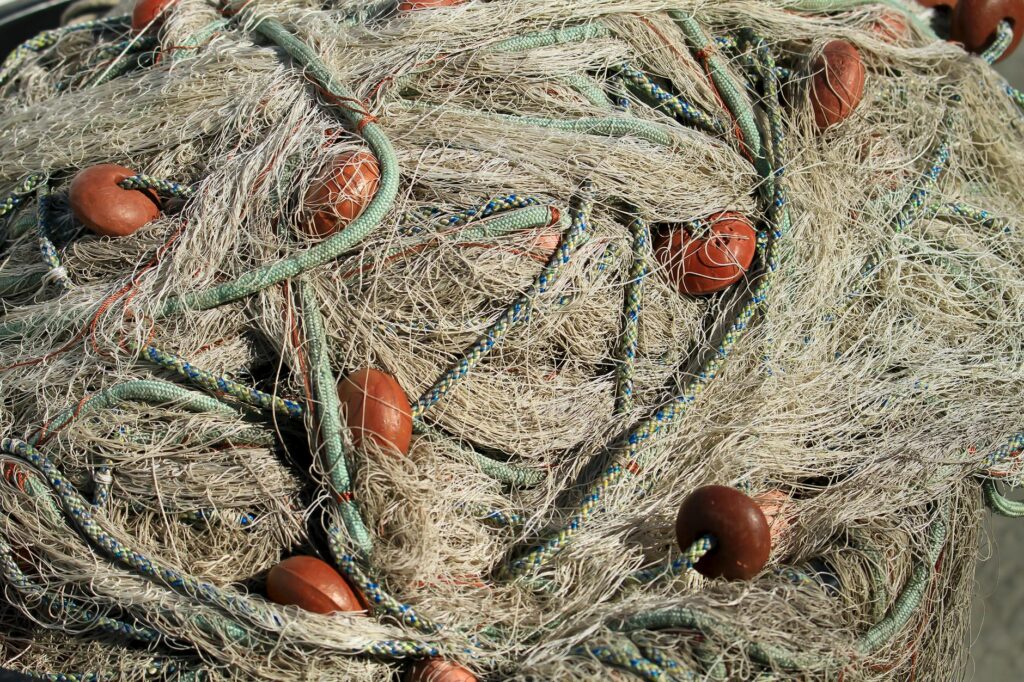
While any form of litter is problematic, certain items are disproportionately harmful to birds. Fishing gear, including lines and nets, is a major culprit for entanglement, especially for waterbirds. Birds often mistake these materials for food or attempt to incorporate them into their nests, inadvertently trapping themselves or their young. Plastic six-pack rings are notorious for entangling the necks or wings of birds. Small, sharp plastic pieces can be ingested and cause internal lacerations. Even seemingly innocuous items like cigarette butts — which contain toxic chemicals, can be ingested and poison birds.
“The sheer volume of discarded materials entering our ecosystems is overwhelming. Birds are especially vulnerable due to their aerial nature and their reliance on natural environments that are increasingly littered.” – Dr. Eleanor Vance, Ornithologist (Hypothetical expert quote for illustrative purposes, based on general scientific consensus). This sentiment is echoed by numerous wildlife conservation groups as of April 2026.
How does junk removal in York, PA, protect local bird populations?
Professional junk removal companies, such as Little Green Junk in York, PA, play a Key role in mitigating the negative impacts of waste on local bird populations. By offering efficient and responsible removal of unwanted items from homes, businesses, and construction sites, these services prevent potentially harmful debris from accumulating in areas frequented by birds. This includes clearing out attics, garages, yards, and commercial spaces where discarded items could eventually find their way into natural habitats.
A responsible junk removal company ensures that collected waste is properly sorted, recycled, or disposed of in an environmentally sound manner. This process prevents items like plastic packaging, broken furniture with sharp edges, or discarded fishing equipment from ending up in landfills that border natural areas or, worse, being dumped illegally. Little Green Junk, for instance, prioritizes eco-friendly disposal methods — which directly benefits wildlife by reducing the overall amount of hazardous waste in the environment. Their services in York, PA, contribute to cleaner local parks, waterways, and woodlands, thereby safeguarding the habitats of numerous bird species.
What are the consequences of habitat destruction by waste?
Waste accumulation can directly lead to habitat destruction for birds. Large amounts of litter can alter soil composition, contaminate water sources, and make nesting sites unusable. Discarded materials can smother vegetation, preventing the growth of plants that birds rely on for food and shelter. Also, the visual pollution of litter can deter birds from utilizing otherwise suitable areas for breeding or foraging. In coastal regions, plastic debris can accumulate on beaches, disrupting nesting grounds for shorebirds. The presence of waste also attracts scavengers and can introduce diseases into bird populations. According to the U.S. Environmental Protection Agency (as of 2026), improper waste disposal is a significant contributor to environmental degradation.
What practical steps can individuals take?
Individuals can take several practical steps to reduce the impact of waste on birds. Firstly, diligent waste segregation and recycling are really important. Ensuring that plastics, metals, and glass are properly processed prevents them from entering the environment. Secondly, proper disposal of household waste is essential. Secure trash bins prevent litter from being blown away or scavenged by animals. For larger items or bulk waste, scheduling professional junk removal is a responsible choice. Thirdly, be mindful of discarded fishing gear. If you fish, ensure all lines and tackle are properly disposed of. Participating in local clean-up events in parks and along waterways also makes a direct positive impact.
Finally, reducing consumption of single-use plastics can decrease the amount of waste generated. Opting for reusable bags, water bottles, and containers lessens the burden on waste management systems and reduces the likelihood of these items becoming environmental hazards. Even small actions, when multiplied across a community, can create substantial positive change for wildlife.
Frequently Asked Questions
How quickly do birds die from ingesting plastic?
The timeframe for a bird dying from ingesting plastic varies greatly depending on the size and type of plastic ingested, the species of bird, and its overall health. Some birds may succumb within days due to internal blockages or toxicity, while others might suffer from malnutrition over weeks or months before their condition becomes fatal.
Can birds recover if they’re disentangled from litter?
Yes, many birds can recover if they’re disentangled from litter, especially if they receive prompt care from wildlife rehabilitators. However, injuries sustained during entanglement, such as deep wounds, broken bones, or prolonged stress, can sometimes have lasting effects or prove fatal even after rescue.
what’s the most common type of waste found harming birds?
Plastic waste is the most commonly found type of litter that harms birds. This includes a lots of items such as plastic bags, bottles, fishing nets, six-pack rings, and smaller plastic fragments that birds mistake for food.
Are there specific times of year when birds are more vulnerable to waste?
Birds are generally more vulnerable during nesting and fledgling seasons when they’re actively foraging for food for their young and may be less able to evade hazardous debris. Migratory periods can also increase vulnerability as birds travel through unfamiliar and potentially littered territories.
What should I do if I find a bird entangled in trash?
If you find a bird entangled in trash, don’t attempt to rescue it yourself unless you have been trained in wildlife handling. Instead, contact a local wildlife rescue organization or animal control agency immediately. Provide them with the bird’s location and a description of the situation.
The impact of waste on bird populations is a critical environmental issue that requires collective action. From individual choices in waste disposal to the professional services offered by companies like Little Green Junk in York, PA, every step towards responsible waste management contributes to protecting these essential members of our ecosystem. By dangers and implementing practical solutions, we can work towards a future where both human communities and wildlife can thrive.