
Why Managing Trash is Key for a Pristine Home and Yard
The accumulation of unwanted items can transform a comfortable home into a stressful environment and a pleasant yard into an eyesore. Effective trash management isn’t just about tidiness. it’s about reclaiming your space, improving your well-being, and building a healthier living environment. When we talk about managing trash keep your home and yard junk free and clean, we’re addressing a fundamental aspect of home maintenance that impacts both aesthetics and functionality.
Last updated: April 24, 2026
A proactive approach to trash and junk removal prevents overwhelming buildup. Ignoring clutter can lead to decreased usable space, potential safety hazards, and a general feeling of being overwhelmed. Little Green Junk understands the challenges homeowners face and offers practical, actionable advice to help you maintain a pristine living area.
The Immediate Benefits of a Clutter-Free Space
Reducing clutter offers immediate psychological and physical benefits. A tidy home is often associated with reduced stress and anxiety levels. According to a study published in the Journal of Neuroscience (2010), women who described their homes as “cluttered” or “full of unfinished projects” were more likely to be depressed and fatigued than those who described their homes as “restful” and “restorative.” Beyond mental clarity, a junk-free environment improves air quality by reducing dust traps and allergens.
Physically, a clean yard is safer. Overgrown vegetation can harbor pests, and scattered debris poses tripping hazards. This proactive management ensures your outdoor spaces are enjoyable and secure for family and pets.
Creating a Trash Management System: The Foundation
Establishing a consistent trash management system is the first step toward a junk-free life. This involves more than just putting garbage bins out on collection day. It requires a routine for sorting, decluttering, and disposing of items regularly. Think of it as preventative maintenance for your home and yard.
A strong system starts with designated zones for different types of waste: regular household trash, recyclables, compostables, and items for donation or disposal. The Environmental Protection Agency (EPA) notes that reducing waste generation is the most effective strategy, followed by reuse, recycling, and then composting, before considering disposal (EPA, 2023). Implementing a simple sorting station in your garage or utility room can make a significant difference.
Decluttering Strategies for Home Interiors
Tackling interior clutter requires a strategic approach. Begin with one area at a time to avoid feeling overwhelmed. Consider the ‘four-box method’: one box for items to keep, one for items to donate, one for items to discard, and one for items that need to be relocated to another room. This methodical process ensures everything is addressed.
For items that are difficult to part with, ask yourself: Have I used this in the past year? Do I’ve a specific plan to use it soon? Is it easily replaceable if I need it later? If the answer to these is no, it’s likely time for it to go. Specialized storage solutions, like clear bins from brands such as Sterilite, can help organize what you decide to keep, making items visible and accessible.
Kitchen and Pantry Organization
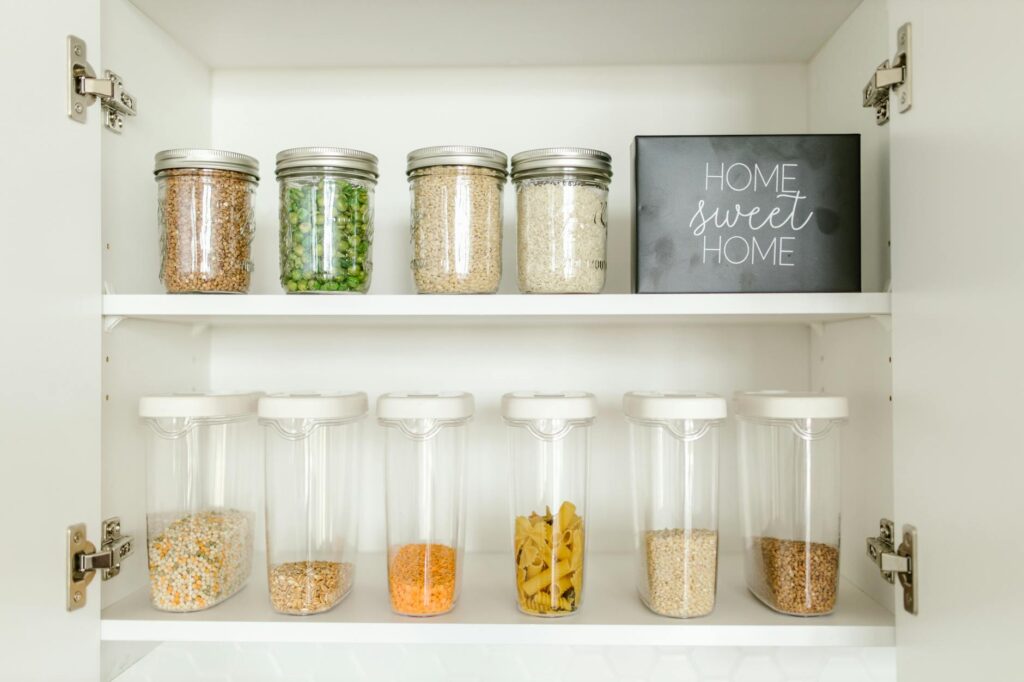
The kitchen is often a hub for clutter. Regularly purge expired food items from your pantry and refrigerator. Implement a “first-in, first-out” (FIFO) system for groceries to reduce spoilage. Use drawer organizers and shelf risers to maximize space and keep items tidy. Consider investing in matching containers for dry goods. this not only looks neater but also helps prevent pests.
Closet and Wardrobe Management
Closets can quickly become black holes for clothing and accessories. A good rule of thumb is to try on everything you haven’t worn in six months. If it doesn’t fit, is out of style, or you simply don’t like it, consider donating it. Hanging clothes facing one direction, and reversing the hangers after wearing an item, can help identify unworn clothes after a year. Marie Kondo’s KonMari method — which emphasizes keeping only items that “spark joy,” has gained significant traction for its effectiveness in decluttering wardrobes.
Yard Debris Management: Keeping Outdoor Spaces Tidy
Maintaining a junk-free yard involves consistent effort. Regular lawn mowing, weeding, and pruning are essential. However, the disposal of yard waste requires specific attention. Leaves, branches, grass clippings, and fallen fruit can quickly accumulate.
Many municipalities offer yard waste collection services, often on specific days. If you have a large amount of green waste, composting is an excellent eco-friendly option. Building a compost bin, even a simple one from wire mesh, can turn organic debris into valuable fertilizer for your garden. For larger items like fallen branches or old gardening equipment, professional junk removal services like Little Green Junk are invaluable. We can handle bulky items and ensure responsible disposal.
Seasonal Yard Cleanup Strategies
Seasonal cleanups are critical. In the fall, focus on raking leaves and clearing garden beds. Winterization might involve storing outdoor furniture and tools. Spring cleanup involves removing winter debris, pruning dead branches, and preparing garden areas. Summer might see the need for clearing out overgrown plants and managing lawn clippings. Tools like the Ryobi 40V Cordless Leaf Blower can speed up leaf removal.
When to Call Professional Junk Removal Services
While regular maintenance is key, some situations demand professional intervention. Large-scale cleanouts, such as after a renovation, moving out, or dealing with an estate, can generate more junk than you can handle alone. Bulky items like old appliances, furniture, mattresses, or construction debris are often too difficult or impractical to move yourself.
Hiring a service like Little Green Junk ensures that these items are removed efficiently and responsibly. We adhere to local regulations for waste disposal and recycling, offering peace of mind. For example, according to the National Association of Junk Removal Companies, responsible companies will always attempt to donate or recycle items before sending them to a landfill, diverting a significant amount of waste from overburdened sites. In 2022, our company alone diverted over 60% of collected materials from landfills through donation and recycling partnerships.
Preventing Future Clutter Buildup
The best way to manage trash and keep your home and yard junk-free and clean is to prevent clutter from accumulating in the first place. This involves mindful consumption and establishing habits.
Before purchasing a new item, consider whether you truly need it and where it will be stored. Implement a “one-in, one-out” policy for certain categories of items, like clothing or books. Regularly schedule mini-decluttering sessions—15 minutes a day can make a surprising difference. Teach family members about the importance of tidiness and involve them in the process.
Frequently Asked Questions
How often should I declutter my home?
It’s beneficial to declutter different areas of your home at varying frequencies. A quick tidy-up daily, a more thorough declutter of high-traffic areas weekly, and a deep declutter of closets and storage areas seasonally or annually are effective. Consistent, smaller efforts prevent overwhelming buildup.
What’s the best way to dispose of electronics?
Electronics, or e-waste, often contain hazardous materials and shouldn’t be thrown in regular trash. Many municipalities have specific e-waste recycling programs. Retailers like Best Buy also offer electronics recycling services. Professional junk removal companies can also handle e-waste disposal responsibly.
How can I manage junk mail effectively?
To reduce junk mail, you can register with services like DMAchoice.org to opt out of mailing lists. For mail you do receive, immediately sort it and discard unwanted flyers and advertisements into recycling. Shred sensitive documents before discarding them.
Is composting yard waste worth the effort?
Yes, composting yard waste is highly beneficial. It reduces the volume of waste sent to landfills, creates nutrient-rich soil for your garden, and lessens the need for chemical fertilizers. Even a small compost bin can impact waste reduction.
What if I’ve items too large for regular trash pickup?
For large items like furniture, appliances, or construction debris, you’ll likely need to schedule a special pickup with your local waste management service or hire a professional junk removal company. Little Green Junk specializes in removing bulky items efficiently and safely.
Conclusion: Embrace a Cleaner, Junk-Free Lifestyle
Effectively managing trash keep your home and yard junk free and clean is an ongoing process, not a one-time event. By implementing consistent systems, employing smart decluttering strategies, and knowing when to seek professional help, you can transform your living spaces. Little Green Junk is here to support your journey toward a tidier, more organized, and enjoyable home and yard. Start today by taking one small step, and you’ll be well on your way to reclaiming your space.