
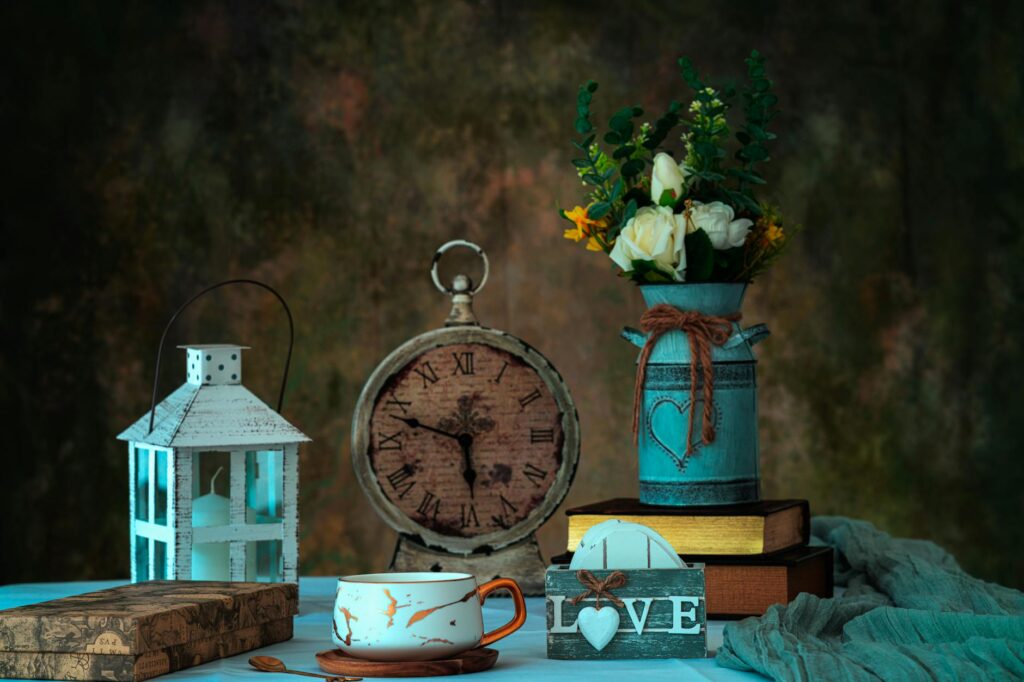
The Lovely Bomb: More Than Just a Pretty Face
The term ‘lovely bomb’ evokes a specific kind of exquisite, often explosive, beauty. It’s not just a pretty object. it’s a statement of design and intent, blending delicate aesthetics with a powerful presence. This article dives into what makes a lovely bomb so captivating, exploring its origins, its artistic merit, and why it continues to fascinate us. Forget generic definitions. we’re talking about objects that pack a punch, visually speaking.
Featured Snippet Answer: A lovely bomb is an object or creation that possesses an overwhelmingly beautiful, intricate, and aesthetically pleasing design, often with a surprising depth or impact that belies its delicate appearance. Think of it as visually stunning art that ‘explodes’ with charm and detail, leaving a lasting impression.
Honestly, the first time I heard the phrase ‘lovely bomb,’ I pictured something… well, destructive but pretty. But the reality is far more nuanced and, frankly, more interesting. It’s about that moment when an object, a piece of art, or even a performance is so exquisitely crafted and captivating that it overwhelms you with its sheer loveliness. It’s a design that hits you with the force of a positive explosion.
Last updated: April 2026.
What Exactly Is a Lovely Bomb?
At its core, a lovely bomb is a term for something that’s incredibly beautiful, detailed, and impactful, often in a way that surprises you. It’s not about size or sheer volume, but about the density of beauty and artistry. Think of a Faberge egg – it’s small, but packed with incredible craftsmanship, precious materials, and symbolic meaning. That’s a lovely bomb.
It’s a concept that can apply to many things:
- Intricately designed jewelry.
- A meticulously crafted piece of pottery.
- A breathtaking floral arrangement.
- A surprisingly detailed miniature model.
- Even a perfectly executed musical phrase.
The key is that the object delivers a powerful aesthetic experience through its detail, artistry, and sheer charm. It’s designed to captivate and enchant, to ‘explode’ into your senses with positive delight.
The Surprising History Behind the Lovely Bomb Concept
While the term ‘lovely bomb’ might feel modern, the idea behind it has roots stretching back centuries. Historically, objects of extreme luxury and craftsmanship were designed to impress and overwhelm. Consider the opulent decorative arts commissioned by royalty and the aristocracy throughout history. These weren’t just functional items. they were statements of power, wealth, and exquisite taste.
The Renaissance saw an explosion of detailed artistry in everything from illuminated manuscripts to intricate metalwork. Later, during the Victorian era, there was a fascination with elaborate ornamentation and intricate designs, especially in jewelry and decorative objects. The late 19th and early 20th centuries, especially the Art Nouveau and Art Deco movements, championed detailed craftsmanship and unique forms that could certainly be described as lovely bombs.
One of the most iconic examples that embodies the spirit of a lovely bomb is the work of Peter Carl Fabergé. His Imperial Easter Eggs, created for the Russian Tsars between 1885 and 1917, are the epitome of this concept. Each egg was a unique masterpiece, crafted from precious metals and gemstones, containing surprise elements hidden within. They weren’t just beautiful objects. they were miniature worlds of artistry and symbolism, delivering an immense aesthetic ‘explosion’ to their recipients.
[IMAGE alt=”Close-up of a Fabergé egg with intricate enamel work and jewels” caption=”The Imperial Coronation Egg by Fabergé, a prime example of a ‘lovely bomb’.”]
Why Does Design Matter So Much?
The effectiveness of a lovely bomb hinges entirely on its design. It’s not enough to just be pretty. it needs to be thoughtfully constructed. Good design, in this context, means intentionality. Every curve, every color choice, every material selection serves a purpose in creating that overwhelming sense of beauty and impact.
Consider the principles of modern design applied to smaller, more intricate objects. Take, for instance, the sleek, minimalist aesthetic of a high-end watch. While seemingly simple, the precision engineering, the choice of materials like sapphire crystal and brushed steel, and the perfect balance of form and function create a lovely bomb on the wrist. It’s a testament to how intentional design can create something that’s both beautiful and deeply satisfying.
Expert Tip: When appreciating a ‘lovely bomb’ object, don’t just look at the surface. Examine the construction, the joining of parts, and the finishing. The details you can’t immediately see often contribute the most to its overall impact and enduring beauty.
🎬 Related Video
📹 lovely bomb — Watch on YouTube
Real-World Examples of Lovely Bombs
Let’s move beyond Fabergé. Where else can we find these captivating creations? I’ve seen some truly stunning examples over the years. In my own home, I’ve a collection of hand-blown glass paperweights. Each one is a miniature universe of swirling colors and embedded patterns. When the light hits them just right, they ‘detonate’ with color and form – pure lovely bombs.
Here are a few more categories where you’ll find them:
The Art of Textiles and Fashion
Haute couture is practically built on the concept of the lovely bomb. Think of an intricately beaded gown by Elie Saab or a heavily embroidered jacket by Alexander McQueen. These pieces are designed to be show-stopping. The sheer volume of hand-sewn beads, sequins, and embroidery creates a surface that’s dazzling and overwhelmingly beautiful. It’s a visual feast that demands attention.
Architectural Details
While buildings themselves are large, certain architectural elements can function as lovely bombs. Consider the incredibly detailed stained-glass windows of Gothic cathedrals like Sainte-Chapelle in Paris. The way light filters through thousands of precisely cut and painted glass pieces to create vibrant, narrative scenes is nothing short of spectacular. It’s an immersive lovely bomb experience.
The Metropolitan Museum of Art even has collections dedicated to decorative arts that showcase this principle. Their holdings of intricate ceramics, enamels, and precious metalwork are prime examples of objects designed to be overwhelmingly beautiful.
Culinary Creations
Even food can be a lovely bomb! Elaborate wedding cakes, meticulously decorated pastries, or even a perfectly plated gourmet dish can deliver that ‘wow’ factor through sheer visual appeal and detail. A multi-tiered cake adorned with delicate sugar flowers or a dessert that looks like a miniature sculpture is designed to be savored with the eyes first.
- Creates immediate visual impact and memorability.
- Showcases exceptional skill and craftsmanship.
- Evokes strong positive emotions and admiration.
- Can become a treasured heirloom or collectible.
- Adds a unique focal point to any space or collection.
- Often very expensive due to materials and labor.
- May be too delicate for everyday use.
- Can sometimes prioritize aesthetics over practicality.
- Might be perceived as ostentatious by some.
- Requires specialized knowledge to create and often to maintain.
The Psychology: Why We’re Drawn to Them
So, why are we so captivated by these intensely beautiful objects? It taps into several psychological drivers. Firstly, there’s the sheer pleasure of aesthetic appreciation. Our brains are wired to respond to beauty, symmetry, and intricate patterns. A lovely bomb delivers a concentrated dose of these elements.
Secondly, there’s the element of surprise and discovery. The ‘bomb’ aspect comes from the unexpected intensity of the beauty. It’s like finding a hidden gem. the delight is amplified by the element of surprise. Here’s why hidden compartments in Fabergé eggs or intricate details revealed upon closer inspection are so effective.
Thirdly, these objects often represent mastery and dedication. Seeing the incredible effort and skill that went into creating something so perfect can be awe-inspiring. It speaks to human potential and creativity — which we naturally admire. It’s a celebration of human ingenuity, not just a pretty thing.
Important Note: While the term ‘lovely bomb’ is generally positive, be aware that in some very niche contexts, similar phrases might be used to describe things with negative connotations. However, In art and design, it consistently refers to objects of intense, positive beauty and impact.
How to Find or Create Your Own Lovely Bomb
Finding a lovely bomb often comes down to seeking out craftsmanship and unique artistry. Visit art galleries, antique shops, and specialized craft markets. Look for pieces that draw you in with their detail and complexity. Don’t be afraid to ask questions about the artist’s process or the materials used. That’s where the story—and often the true ‘lovely bomb’ quality—lies.
If you’re a creator, whether you’re a painter, sculptor, jeweler, or even a baker, think about how you can infuse your work with that extra layer of detail and intention. How can you make your creation an ‘explosion’ of beauty? It might mean spending extra hours on intricate patterns, selecting richer materials, or refining your technique to achieve a level of perfection that surprises and delights.
It’s about pushing beyond the ordinary. What can you add that elevates your work from good to breathtaking? Often, it’s the small, deliberate touches that make all the difference. For instance, adding hand-painted details to a ceramic piece or using a unique combination of metals in jewelry can turn a nice item into a truly memorable lovely bomb.
The history of design is replete with examples where meticulous attention to detail created objects of lasting admiration. Studying these periods and artists can offer immense inspiration for your own appreciation or creation of lovely bombs.
Frequently Asked Questions
Is a lovely bomb always a physical object?
Not necessarily. While most commonly associated with physical objects like art, jewelry, or even intricate floral arrangements, the concept can extend to performances or even digital creations that deliver an overwhelming aesthetic experience through their detail and beauty.
Are lovely bombs expensive?
They often are, due to the high level of craftsmanship, rare materials, and significant time invested in their creation. However, the term’s essence is about the impact of beauty and detail, not just price. You can find simpler, more affordable items that still capture the spirit of a lovely bomb.
What’s the difference between a lovely bomb and just something pretty?
A ‘lovely bomb’ implies a higher intensity and surprise factor. It’s not just passively pretty. it actively ‘detonates’ with beauty and detail, often in unexpected ways, leaving a more profound and memorable impression than something merely pleasant to look at.
Can a natural object be considered a lovely bomb?
Absolutely. A perfectly formed, intricate snowflake, a complex seashell, or a flower with incredibly detailed petals could all be considered natural lovely bombs. Nature is full of astonishing examples of exquisite design and complexity that create a powerful aesthetic impact.
How can I start collecting lovely bombs?
Start by identifying what kind of ‘lovely bomb’ resonates with you most – be it miniatures, textiles, glass, or something else. Then, explore galleries, antique markets, and online marketplaces specializing in those areas. Look for pieces with exceptional detail and craftsmanship that truly captivates you.
In the end, the lovely bomb is a celebration of human creativity and our innate appreciation for beauty and detail. It’s a reminder that some of the most impactful experiences come from objects that aren’t just functional or aesthetically pleasing, but are crafted with an overwhelming passion and artistry that can truly detonate in your senses.