Beginner Guides 2026: What Actually Works
Remember that feeling in early January? You’re fired up, ready to conquer the world, armed with a list of resolutions that would make a superhero sweat. Then, by February, you’re staring at that dusty gym membership card or that half-read self-help book, wondering where it all went wrong. Yeah, me too. It’s like the universe conspires to make beginner guides feel overwhelming, full of generic fluff that gets you nowhere. But what if, just what if, there were beginner guides for 2026 that actually cut through the noise and gave you stuff you could do? Stuff that stuck? That’s what we’re diving into today. Forget the unattainable, the overhyped. We’re talking about real, practical advice that respects your time and your ambition.
Featured Snippet Answer: The most effective beginner guides for 2026 focus on actionable steps, realistic expectations, and building sustainable habits, avoiding generic advice. They emphasize small wins, personal accountability, and adapting strategies to individual needs, ensuring progress rather than overwhelming the user.
What Kind of Beginner Guides Do We Actually Need in 2026?
Look, the internet is drowning in content. You type in “beginner guides 2026,” and you get a tidal wave of… well, stuff. Lists of five things, ten things, twenty things. But how many of those actually translate into meaningful change? I’ve spent years wading through this digital swamp, and let me tell you, most of it’s recycled nonsense. We need guides that acknowledge the real struggles: the demotivation, the lack of time, the sheer confusion of where to start. We need guides that tell you what not to do, just as much as what to do. The best beginner guides for 2026 will be specific, empathetic, and brutally honest about the effort involved.
[IMAGE alt=”Person looking at a cluttered desk, feeling overwhelmed” caption=”The overwhelm is real when starting something new.”]
Thing is, the landscape shifts. What worked for beginners in 2020 might feel quaint or even ineffective now. We’ve got AI doing things we never imagined, the economy’s doing its usual rollercoaster routine, and our attention spans are probably shorter than ever. So, beginner guides in 2026 need to be adaptable, forward-thinking, and grounded in what’s actually possible now. This means less “manifest your dreams” and more “here’s how to set a SMART goal and actually track it.”
Why Most Beginner Guides Fail (And How to Avoid It)
Honestly? They’re often written by people who haven’t been beginners in a long time, or worse, by AI that’s just regurgitating other AI. They promise the moon without showing you the ladder. Common pitfalls include:
- Overwhelm: Too many steps, too much jargon, too much assumed knowledge.
- Unrealistic Expectations: Promising instant results or mastery. (Spoiler: it doesn’t work like that.)
- Lack of Personalization: One-size-fits-all advice rarely fits anyone perfectly.
- Ignoring the ‘Why’: Failing to connect the steps to the user’s actual motivation.
- No Follow-Through: Guides that end abruptly without a plan for maintenance or troubleshooting.
My biggest mistake early on? Thinking I could just absorb information and magically become proficient. I’d read dozens of articles, watch endless tutorials, but I wouldn’t actually do the thing. The disconnect between learning and doing is where most beginner journeys derail. The most effective beginner guides for 2026 bridge this gap by emphasizing action over passive consumption.
A Real-World Example
Take learning to code, for instance. A bad guide might throw you into complex syntax immediately. A good one, however, starts with setting up your environment (a hurdle in itself!), then moves to a single, simple “Hello, World!” program. It explains why that’s the first step – basic input/output. It celebrates that tiny win before introducing the next small concept. That’s the kind of progressive, scaffolded approach we need across all beginner guides.
Building Blocks for Your 2026 Journey
So, what should be in a solid beginner guide for 2026? Let’s break it down into actionable components.
1. Define Your Specific Goal (Be Ruthless)
Vague goals are ambition killers. “Get healthier” is useless. “Walk 30 minutes, 3 times a week for the next month” is concrete. This applies everywhere, whether you’re starting crypto trading (carefully!) or learning a new language. Aim for SMART goals: Specific, Measurable, Achievable, Relevant, Time-bound. For 2026, make sure ‘Achievable’ and ‘Relevant’ are brutally honest.
2. Break It Down Into Micro-Steps
No one climbs Mount Everest in a day. Think about the smallest possible action you can take. If your goal is to declutter your home, the first step might literally be: “Pick up one item and put it where it belongs.” Seriously. Small wins build momentum. It’s like the difference between trying to eat an elephant whole versus one bite at a time.
[IMAGE alt=”Person taking a small step on a path” caption=”Small, deliberate steps are key for beginner success.”]
3. Identify Your ‘Why’ (and Write It Down)
Motivation is fickle. You need a reason that goes deeper than “I should do this.” Why do you want to learn guitar? To play campfire songs for friends? To challenge your brain? Write it down. Put it somewhere visible. When the going gets tough (and it will), your ‘why’ is your anchor. Here’s Key for long-term commitment, something many beginner guides overlook.
4. Schedule It Like a Doctor’s Appointment
If it’s not in your calendar, it’s probably not happening. Block out time for your new skill, habit, or project. Treat it with the same respect you’d give a meeting with your boss or a dentist appointment. If you’re aiming for beginner guides 2026 that stick, time blocking is non-negotiable. Tools like Google Calendar or even a simple paper planner work wonders.
5. Find Your Accountability Partner (or System)
Sharing your goals makes you more likely to stick to them. This could be a friend, a family member, or even an online community. For 2026, consider apps like Habitica or simple check-ins with a buddy. Knowing someone else is aware of your progress (or lack thereof) can be a powerful motivator.
🎬 Related Video
📹 beginner guides 2026 — Watch on YouTube
The Essential Tools & Resources for 2026 Beginners
While I hate recommending specific products (because they change so fast!), I can point to types of resources that are consistently valuable for beginners in 2026.
- Structured Learning Platforms: Sites like Coursera, edX, or even specialized platforms like Codecademy (for coding) offer guided paths.
- Community Forums: Reddit subreddits (e.g., r/learnprogramming, r/getdisciplined), Stack Overflow, or Discord servers provide support and answers.
- Reputable Books/Blogs: Look for established authors or publications known for practical advice (e.g., books by James Clear on habits, Forbes for business insights).
- Simple Project Management Tools: Trello or Asana (free tiers) can help visualize progress for projects.
- Mindfulness Apps: Headspace or Calm can be invaluable for managing the stress that often accompanies new challenges.
- Information Overload: Too many options can be paralyzing. Stick to one or two resources initially.
- Cost: Some platforms or tools require subscriptions — which can be a barrier for beginners.
- Outdated Information: Tech and trends change rapidly. verify the recency of advice.
- Passive Consumption Trap: Easy to just watch videos or read articles without doing.
For 2026, the key is curation. Don’t try to use everything. Pick one or two high-quality resources and stick with them. For example, if you’re exploring personal finance, start with a reputable site like Investopedia for definitions and then find a beginner-focused budgeting app like YNAB (You Need A Budget) rather than trying to read ten different finance books at once.
Can You Really Start Something New in 2026?
Absolutely. The year doesn’t magically make things easier or harder. it’s just a marker. The real challenge is always internal: overcoming inertia, managing self-doubt, and maintaining consistency. The best beginner guides for 2026 will equip you with strategies not just for starting, but for persisting. They’ll help you build resilience.
“The difference between the impossible and the possible lies in a person’s determination.” – Tommy Lasorda.
In 2026, let’s channel that determination into actionable steps, not just wishful thinking. Real progress requires grit. Source: BrainyQuote.
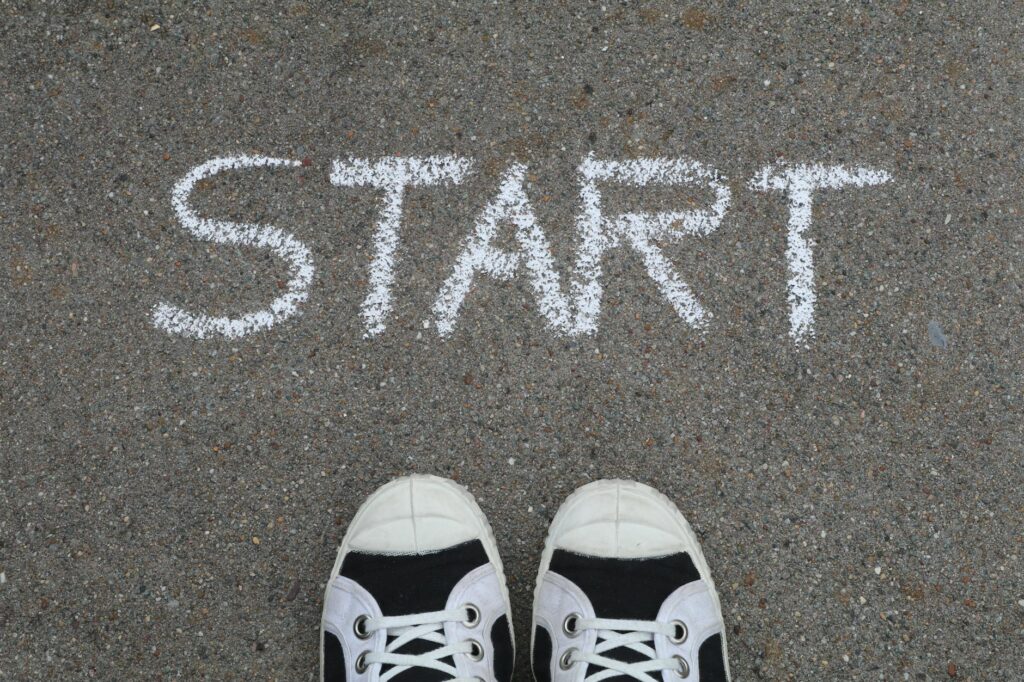
Think about it: what’s one small thing you can commit to starting today? Not next week, not next month. Today. Maybe it’s downloading a habit-tracking app. Maybe it’s researching one specific online course. Maybe it’s just writing down your ‘why’. The momentum from these tiny actions is surprisingly powerful. It’s the foundation upon which all successful beginner journeys are built.
Frequently Asked Questions
What’s the biggest mistake beginners make in 2026?
The biggest mistake beginners make in 2026 is expecting instant results and getting discouraged when they don’t see them. They often try to do too much too soon, leading to burnout. Effective beginner guides emphasize patience, consistency, and celebrating small milestones instead of aiming for perfection immediately.
How can I find trustworthy beginner guides for 2026?
Look for guides from reputable sources with clear authorship and verifiable credentials. Prioritize content that offers specific, actionable advice rather than vague platitudes. Check for author experience, consult established educational platforms like Coursera or edX, and read reviews to gauge the practical value of the guide.
Should beginner guides 2026 focus on digital tools?
Yes, digital tools can be incredibly helpful for beginners in 2026, offering structure, tracking, and community. However, guides shouldn’t solely rely on them. The focus should remain on the underlying principles and actions, with digital tools serving as facilitators rather than the primary solution.
How do I stay motivated when using beginner guides?
Staying motivated involves setting realistic goals, tracking progress, celebrating small wins, and finding an accountability partner. Understanding your core ‘why’ behind starting is also Key. Beginner guides that incorporate these elements help build sustainable motivation beyond the initial excitement.
What makes a beginner guide truly useful in the current year?
A truly useful beginner guide for 2026 is practical, specific, and acknowledges the realities of modern life, like information overload and limited attention spans. It prioritizes actionable steps, sustainable habits, and realistic expectations, helping users achieve tangible progress without feeling overwhelmed.
My Take: Action Over Aspiration
Look, the year 2026 isn’t some magic bullet. It’s just another day, another opportunity. The real magic happens when you stop thinking about starting and actually start. The best beginner guides don’t just give you information. they give you a clear path, a nudge in the right direction, and permission to be imperfect. They remind you that consistency beats intensity every single time. So, pick one thing, break it down, schedule it, and just do it. You’ll be surprised at what you can achieve when you ditch the generic fluff and focus on what actually works.