
Wat Wax? Debunking Common Hair Removal Myths in 2026
You’ve probably seen it mentioned online, in salons, or perhaps even in your grandma’s old beauty cabinet. But when you boil it down, what exactly is this ‘wat wax’ everyone seems to be talking about, or perhaps, more accurately, what are the different kinds of wax that people use? The world of waxing can feel overwhelming, filled with jargon and a dizzying array of options. Many people assume all wax is the same, a simple sticky substance designed to pull out hair. But that’s where the myth-busting begins. According to the American Academy of Dermatology (aad.org), understanding the nuances of hair removal methods is key to achieving optimal results and minimizing skin irritation.
The term ‘wat wax’ is less about a specific product and more about the fundamental question: what kind of wax are you actually dealing with? Understanding this is the first step to achieving smooth, happy skin, whether you’re a DIY enthusiast or a salon regular. This article challenges common assumptions and equips you with the knowledge to make smarter choices. Get ready to understand the real deal behind ‘wat wax’ and how to master the art of hair removal.
Latest Update (April 2026)
As of April 2026, the beauty industry continues to innovate, with a growing emphasis on natural ingredients and skin-friendly formulations in waxing products. Reports indicate a rising consumer demand for waxes that are not only effective but also sustainable and gentle. While some older myths persist, recent discussions in beauty and wellness circles, as highlighted by platforms like Everyday Health, continue to debunk long-held hygiene and beauty misconceptions that can sometimes extend to hair removal practices. The focus remains on education and informed consumer choices, ensuring individuals select the best methods for their unique skin and hair types. Furthermore, as noted in a recent ScreenAnarchy review of the film ‘WAX & GOLD’, the concept of myth and memory is deeply intertwined, a parallel that can be drawn to how we perceive and approach beauty treatments like waxing, where understanding the reality behind the practice is paramount.
What Exactly IS Wax?
At its heart, ‘wat wax’ refers to a semi-solid material that becomes liquid when heated and solidifies upon cooling. For hair removal purposes, waxes are typically a blend of resins, natural waxes (like beeswax or paraffin), and oils or emollients. The sticky nature of the heated wax adheres to the hair shaft. When the wax is quickly pulled away against the direction of hair growth, it removes the hair from the follicle. This is a mechanical process, unlike chemical depilatory creams.
The key ingredients determine the wax’s texture, adhesion, and application method. For instance, waxes with a higher resin content tend to be stickier and more effective for coarse hair. Conversely, waxes with a higher oil content are often gentler on the skin, making them suitable for sensitive areas. Understanding these base components is crucial because it explains why different waxes behave so differently and why selecting the right one is so important.
Important Note: The effectiveness and comfort of any waxing treatment depend heavily on the quality of the wax used and the technique employed. Never assume a cheap or generic wax will yield the same results as a specialized formula. Always check ingredients if you have known sensitivities. According to various beauty industry reports, premium formulations often offer a smoother experience and better results.
Beyond the Basics: Decoding Different Wax Types
This is where the real confusion often starts. When people ask ‘wat wax,’ they’re usually trying to differentiate between the main categories. The two primary distinctions are hard wax and soft wax, each with specific applications and benefits.
Soft Wax
Soft wax, often found in large tubs or convenient roll-on applicators, typically contains a higher percentage of ingredients like petroleum jelly or mineral oil. This composition makes it pliable and easy to spread in a thin layer. Soft wax adheres to both the hair and the skin, which is why it requires a cloth or paper strip for removal. It’s generally more economical and quicker for covering large areas like legs and arms. However, because it adheres to the skin, it can sometimes cause more irritation or bruising, especially on sensitive areas. Users report that while efficient for large areas, it requires careful application and removal to minimize discomfort.
Hard Wax
Often referred to as stripless wax, hard wax is formulated with less pliable ingredients and more sticky resins, making it more brittle when cooled. It is applied in a thicker layer and allowed to cool and harden on its own – no strips are needed for removal. Once hardened, it’s pulled off, taking the hair with it. Hard wax adheres primarily to the hair, not the skin, making it a gentler option for sensitive areas such as the face, underarms, and bikini line. It is also highly effective for removing coarser hair. Independent tests suggest hard wax is often preferred for precision waxing due to its ability to grip hair firmly without excessively pulling the skin.
Other Wax Variations
Beyond these two main types, you’ll encounter variations like:
- Sugar Wax (Sugaring): A natural alternative made from sugar, lemon juice, and water. It’s known for being gentler and less painful for some individuals, as it adheres less to the skin and is applied and removed in the direction of hair growth.
- Cream Waxes: These often have a creamy consistency and are designed for very sensitive skin, sometimes incorporating soothing ingredients.
- Hybrid Waxes: Formulations that aim to combine the benefits of both hard and soft waxes, offering flexibility and strength.
Each type has its own pros and cons, depending on your skin type, hair coarseness, and the specific area being treated. Consulting with a professional aesthetician can help determine the best fit.
The Big Wax Myths: What Everyone Gets Wrong
Many common frustrations with waxing stem from persistent myths. Debunking these allows for a more successful and comfortable experience.
Myth 1: All waxes are the same.
As we’ve seen, this is far from true. Using a hard wax designed for sensitive areas on large areas like legs might be inefficient, and using a soft wax on the delicate bikini line could lead to unnecessary pain and irritation. Choosing the wrong type is a common mistake that leads to poor results.
Myth 2: Pain is unavoidable.
While waxing involves some discomfort, excessive pain often indicates improper technique, the wrong wax for the job, or inadequate preparation. If you’re experiencing unbearable pain, it’s worth re-evaluating your approach. Correct technique, such as applying wax against the direction of hair growth and removing it swiftly in the direction of growth, is key to efficiency and minimizing pain. Reports from beauty professionals consistently emphasize technique as a major factor in pain reduction.
Myth 3: You can wax over the same area multiple times in one session.
This is a significant misconception. Over-waxing the same spot repeatedly can lead to skin lifting, bruising, or raw, damaged skin. Most professionals agree that you should only go over an area once or twice with wax. If some hairs remain, it’s often better to tweeze them or wait for the next waxing session rather than risk damaging the skin. As the American Academy of Dermatology (aad.org) advises, proper technique minimizes the need for repeat applications.
Myth 4: Waxing causes ingrown hairs.
While improper waxing technique or poor aftercare can contribute to ingrown hairs, waxing itself doesn’t necessarily cause them. In fact, regular waxing can sometimes reduce ingrown hairs over time as the hair grows back finer. Exfoliation before and after waxing is key to preventing them. Everyday Health recently highlighted that many common hygiene and beauty myths, including those surrounding hair removal, often lack scientific basis and can be debunked with proper knowledge.
Myth 5: Waxing permanently removes hair.
Waxing removes hair from the root, which leads to smoother skin for a longer period than shaving. However, it is not a permanent hair removal method. Hair will eventually grow back, typically within 3-6 weeks, depending on the individual’s hair growth cycle. For permanent hair reduction, methods like laser hair removal or electrolysis are required.
Choosing Your Weapon: Selecting the Perfect Wax
With so many options available, selecting the right wax can feel daunting. Consider these factors:
Skin Type
Sensitive Skin: Opt for hard waxes, sugar waxes, or specially formulated waxes with calming ingredients like chamomile or azulene. Avoid waxes with heavy fragrances or alcohol.
Normal/Resilient Skin: You have more flexibility. Soft waxes can be effective for larger areas, while hard waxes are excellent for more delicate zones.
Dry Skin: Look for waxes enriched with moisturizing oils or butters. Ensure proper hydration before and after waxing.
Hair Type
Coarse/Stubborn Hair: Hard waxes are often best, as they grip hair firmly. Some high-quality soft waxes with strong adhesion can also work.
Fine Hair: Soft waxes or sugar waxes are usually sufficient.
Area of Treatment
Face (Eyebrows, Upper Lip, Chin): Hard wax is highly recommended due to its gentleness on facial skin and precision. Sugar wax is also a popular choice.
Underarms & Bikini Line: These are sensitive areas. Hard wax is generally preferred for its ability to adhere to the hair without pulling the skin excessively.
Legs & Arms: Soft wax is often used for speed and efficiency on these larger, less sensitive areas.
DIY vs. Professional
For beginners, professional waxing is often recommended to ensure correct technique and minimize the risk of injury or poor results. If you choose to DIY, research thoroughly, start with less sensitive areas, and invest in high-quality products. Online tutorials and professional advice can be invaluable. As grunge.com noted in a review of movie moments debunked by MythBusters, understanding the process and avoiding common pitfalls is essential for success, whether in film or in personal grooming.
Mastering the Art: Practical Waxing Tips
Whether you’re a seasoned pro or embarking on your first waxing adventure, these tips can elevate your experience:
Preparation is Key
- Hair Length: Ensure hair is at least 1/4 inch long (about the length of a grain of rice) for the wax to grip effectively. If it’s too short, the wax won’t adhere; if it’s too long, it can increase pain. Trim if necessary.
- Cleanse the Skin: Before waxing, cleanse the area with a gentle, oil-free cleanser to remove dirt, oil, and product residue. This ensures optimal adhesion of the wax.
- Exfoliate Gently: A day or two before waxing, gently exfoliate the area to remove dead skin cells. This helps prevent ingrown hairs and allows the wax to grip the hair better. Avoid exfoliating immediately before waxing, as this can make the skin too sensitive.
- Dry the Skin Thoroughly: Moisture can prevent the wax from adhering properly. Ensure the skin is completely dry. Some professionals recommend dusting lightly with cornstarch or a pre-wax powder to absorb excess moisture.
Application and Removal Technique
- Temperature Check: Always test the wax temperature on your inner wrist before applying it to the treatment area. It should be warm and spreadable, not hot enough to burn.
- Direction Matters: Apply wax in the direction of hair growth.
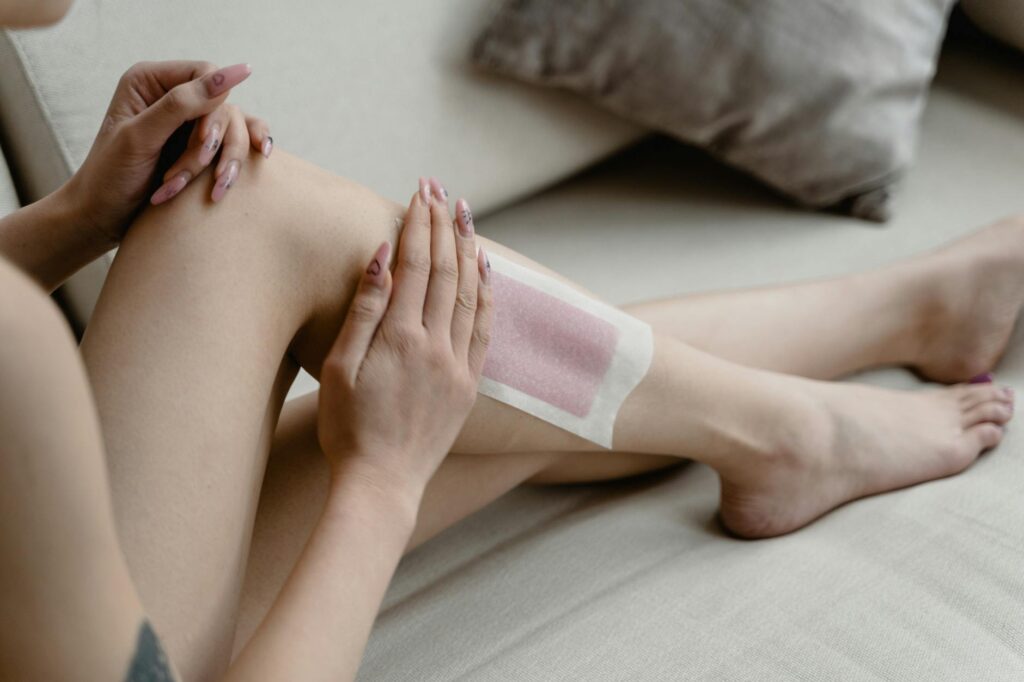
- Strip Application (Soft Wax): Apply a thin, even layer. Press the cloth or paper strip firmly onto the wax.
- Removal (Soft Wax): Hold the skin taut with one hand. With the other hand, quickly pull the strip off in the opposite direction of hair growth, parallel to the skin.
- Hard Wax Application: Apply a thicker layer, ensuring it slightly overlaps the edges to create a lip for easy removal.
- Hard Wax Removal: Once the wax has cooled and hardened, lift the lip and quickly pull the hardened wax off in the opposite direction of hair growth, parallel to the skin.
- One Pass Rule: Avoid going over the same area multiple times with wax within a single session to prevent skin damage.
Aftercare Essentials: Keeping Your Skin Happy
Proper aftercare is just as important as the waxing process itself. It helps soothe the skin, prevent irritation, and minimize the risk of ingrown hairs.
Immediate Post-Waxing Care
- Avoid Hot Water: For at least 24-48 hours, avoid hot baths, showers, saunas, and steam rooms, as heat can irritate freshly waxed skin. Opt for lukewarm water.
- Loose Clothing: Wear loose-fitting clothing made of breathable fabrics like cotton to prevent friction and allow the skin to breathe.
- No Sun Exposure: Keep the waxed area out of direct sunlight for at least 24-48 hours, as the skin will be more sensitive to UV damage.
- Avoid Perfumed Products: Steer clear of lotions, deodorants, or perfumes with alcohol or strong fragrances on the freshly waxed area, as they can cause stinging or irritation.
Ongoing Care
- Moisturize: Apply a gentle, fragrance-free moisturizer daily to keep the skin hydrated and supple.
- Exfoliate Regularly: Begin gentle exfoliation 2-3 days after waxing and continue 2-3 times per week. This is crucial for preventing ingrown hairs. You can use a physical exfoliant (like a gentle scrub or brush) or a chemical exfoliant containing AHAs or BHAs.
- Soothing Agents: If you experience redness or minor irritation, apply aloe vera gel or a calming lotion.
Following these aftercare steps diligently can significantly improve your post-waxing experience and the overall health of your skin.
Frequently Asked Questions
What is the difference between hard wax and soft wax?
Hard wax is applied thicker, hardens on its own, and is removed without strips, adhering primarily to the hair. It’s ideal for sensitive areas and coarser hair. Soft wax is applied thinly, removed with a cloth or paper strip, and adheres to both hair and skin. It’s often used for larger areas like legs and arms.
How long does hair need to be before waxing?
For optimal grip, hair should be at least 1/4 inch long, approximately the length of a grain of rice. If hair is too short, the wax may not adhere effectively. If it’s excessively long, it can increase discomfort.
Can I wax if I’m using acne medication or retinoids?
It’s generally not recommended. Topical acne medications (like benzoyl peroxide, salicylic acid) and prescription retinoids (like tretinoin) can make your skin more fragile and prone to lifting or tearing during waxing. Always consult your dermatologist before waxing if you are using these treatments. As reported by Business Insider, ENT doctors often debunk myths about the body, and similarly, dermatologists are crucial in clarifying risks associated with skincare treatments like waxing.
How often should I wax?
The frequency depends on your individual hair growth cycle, but most people wax every 3 to 6 weeks. Consistent waxing can sometimes lead to finer hair regrowth over time.
Is waxing safe during pregnancy?
Waxing is generally considered safe during pregnancy, but some women experience increased skin sensitivity. It’s best to avoid waxing the bikini area during the last few weeks of pregnancy, as the skin can be more sensitive. Always consult with your healthcare provider if you have any concerns.
Conclusion
Understanding ‘wat wax’ is the first step towards achieving smoother, healthier skin and a more positive hair removal experience. By debunking common myths, differentiating between wax types, and mastering proper techniques and aftercare, you can confidently choose the best waxing method for your needs. Whether you opt for professional treatments or embrace DIY waxing, knowledge is your most powerful tool. Remember that consistent, proper care leads to the best results, minimizing discomfort and maximizing smoothness. Make informed choices, prioritize skin health, and enjoy the benefits of well-executed waxing in 2026 and beyond.